
MoCarpet
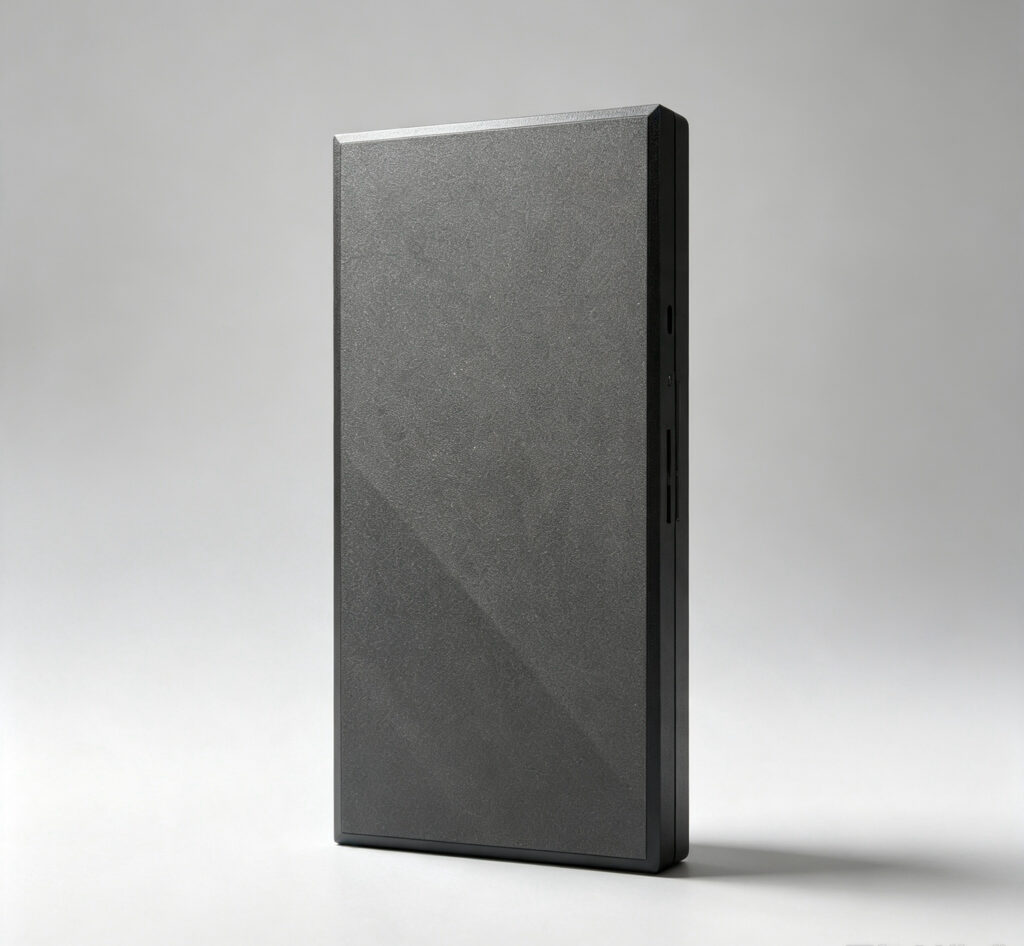
MoCarpet is a large-area magnetic-field haptic array system developed for mobile robots, human-robot interaction and spatial perception research. Adopting a carpet-style form factor and integrating 45 high-sensitivity magnetic induction sensors, the product captures 3D magnetic field variations and temperature compensation data during sole or ground contact in real time. Algorithms running on host software reconstruct discrete measurement points into 2D pressure/contact vector fields and 3D deformation fields. It enables real-time visualisation and quantitative analysis of contact positions, motion trajectories, continuous contact zones and morphological changes. MoCarpet serves as a key addition for environmental interface perception within MoSense’s full-body robotic haptic skin solution.
Core Features
Large-Area High-Density Sensing Array:
Forty-five sensors are arranged in an array covering the main sensing zone of the carpet. It supplies abundant haptic data for ground interaction and supports fine-grained spatial resolution.
3D Deformation Field and Direction Field Reconstruction:
Dedicated algorithms embedded in host software reconstruct discrete magnetic field data in real time into 2D point fields, densely interpolated surface fields and 3D deformation fields. It displays contact zones, pressure distribution and indentation depth simultaneously.
Contact Tracking and Zone Recognition:
It supports real-time tracking of point contacts, identification of continuous contact regions on surface fields and motion trajectory plotting, delivering dynamic interaction data for robot environmental perception.
Intelligent Baseline Calibration and Zero-Point Tracking:
It supports automatic and manual baseline calibration and features adaptive zero-point tracking under no-load conditions. This effectively compensates for environmental temperature drift and electromagnetic interference to sustain long-term operational stability.
Application Scenarios
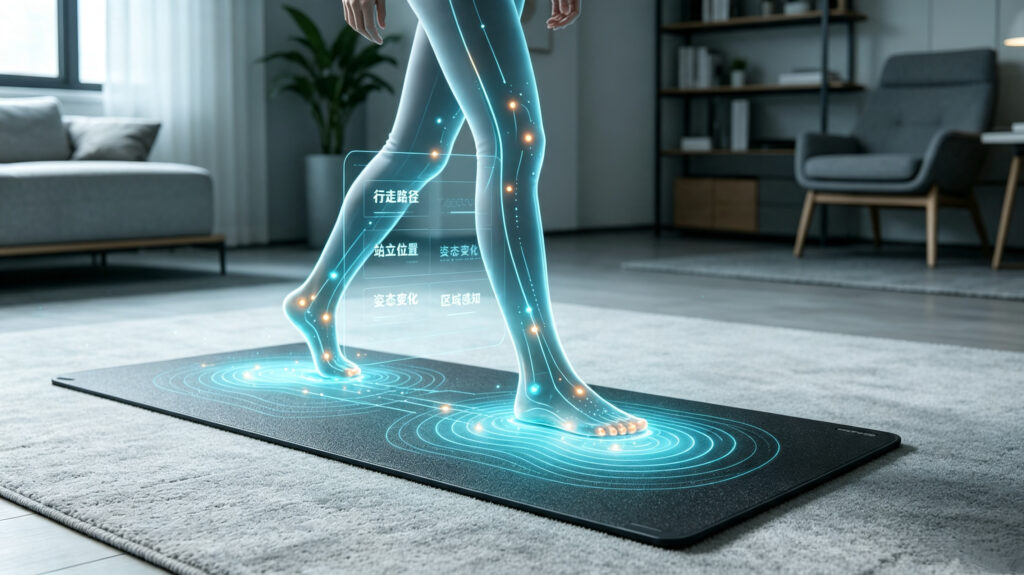
Gait Planning and Footfall Evaluation for Legged Robots:
By sensing the contact position, posture and pressure distribution of robot feet on the carpet, it supplies landing-quality feedback for gait algorithms and helps optimise locomotion strategies.
Navigation and Dynamic Obstacle Avoidance for Mobile Robots:
Detects robot movement trajectories and obstacle contact zones on the carpet, providing ground-interaction perceptual input for path planning.
Human-Robot Interaction and Behavioural Analysis:
Captures human walking paths, standing positions and posture changes on the carpet. It applies to human-robot coexistence scenarios including smart spaces, rehabilitation assessment and security monitoring.